
Creating an Outdoor Kitchen Space That Works Year-Round
There’s something about cooking outdoors that just doesn’t translate indoors. Maybe it’s the fresh air. Maybe it’s that smoke and fierce scents don’t permeate the home. One way or another, the outdoor kitchen is a burgeoning amenity beyond just a grill on the patio.
Yet, it’s unfortunate that so many outdoor kitchens get heavily used for three months of the year and then stand lifeless for the remaining nine. It’s an investment for many and a waste of space. Therefore, if you’re going to have an outdoor kitchen, you might as well design one that’s functional outside of ideal conditions.
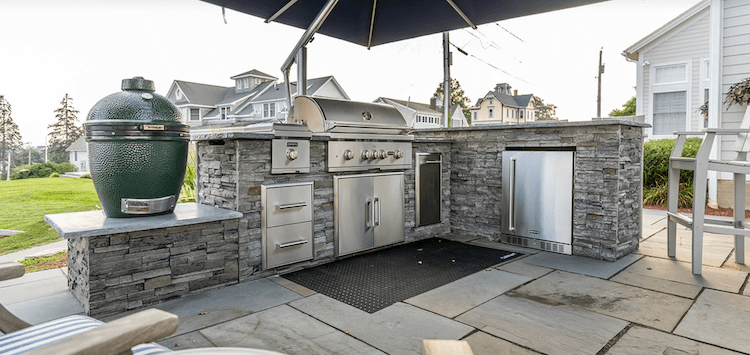
Planning For Realities – Not Just Summer Cookouts
The biggest mistake homeowners make is designing their outdoor kitchens based on 75-degree-weather realities. They envision themselves wearing shorts, a tank top, cold beverage in hand, grilling up a gorgeous steak. That’s all well and good, but what about the other nine months out of the year?
Begin by assessing your location. If you’re in a climate that boasts cool summers and mild winters, you’re lucky to have a space you can use more than half the year without too many accommodations. But if you’re stuck with snow, freezing rain, or extreme climates with cold, damp conditions, you need to revise your perspectives.
Wind is another major complication that many don’t account for until it’s too late. A grill that works perfectly when the air is calm is far more frustrating when gusts ignite flames and cause temperature discrepancies. Consider natural barriers that prevent high winds (walls, fences) or even landscaping. Some construct walls and add retractable screens instead.
Equipment That Withstands The Weather
The grill is the focal point of most outdoor kitchens, and one shouldn’t skimp on this aspect of the project. Stainless steel holds better than painted finishes, although even quality stainless rusts beyond repair near the beach or in extremely humid areas. Cast iron grates are fabulous for cooking but require maintenance to avoid rust.
Yet even quality pieces wear down over time outdoors. Sun fades. Rain seeps into joints. Humidity creates rust without getting things wet. And winter freezes things in place – components crack and gas lines become damaged.
This is where protection becomes invaluable. When you’re not cooking, your appliances need to be covered or removed from the area entirely. A quality outdoor option to cover barbecue elements goes a long way for longevity. It’s not only rain cover that can get into burners and create moisture; it’s UV damage, too.
Kitchen storage is another consideration – there need to be weatherized cabinets or storage containers for utensils, propane tanks, and seasonings, among other hoarded materials. Stainless steel cabinets look pristine, but they’re incredibly expensive; marine-grade polymer cabinets last just as long but do not have the same aesthetic appeal.
Building In Weather Protection
Unless you live in a desert, some overhead protection makes outdoor kitchens far more functional. Even a simple pergola provides shaded relief in summer while protecting against light rains while cooking. If there’s an adjustable canopy, then it can accommodate various weather patterns.
Permanent roofs are an option for those looking to create a year-round space; they protect from excess rain while offering shade against the sun and protection against equipment wear and tear from natural debris that accumulates without proper enclosure of space. On the downside, these are more expensive and require building permits in most zones.
Ventilation considerations come from smoke-related concerns; nothing ruins an outdoor kitchen faster than smoke blowing back into faces or windows left ajar inside. Positioning makes a world of difference; you want prevailing winds helping you, not creating additional issues.
Surfaces And Materials That Last
Countertop surfaces outside suffer more wear and tear than they do indoors. They’re exposed to sun and precipitation while also subject to whirling debris from your lawn and garden. Granite and concrete work exceptionally well outside as they withstand weather changes without cracking over time; tile can work but grout lines are hard to clean and maintain for sealing.
Flooring must also be non-porous. Concrete stained and sealed looks attractive and withstands everything external temperatures provide. Pavers work well but need a base so they’re not shifting beneath feet; wood decking invites disaster – grease stains, water damage, and fire concerns.
Finally, there needs to be proper drainage – water must go somewhere while cleaning or washing down areas; water takes whatever course it wants unless there’s a slight slope away from the area to prevent puddling and damage.
Making It Comfortable When Conditions Aren’t Perfect
Heat is the most obvious addition for those looking to work outside when it’s colder. Propane patio heaters are cheap options and effective limited ranges; built-in infrared heaters provide excellent solutions for larger spaces but require electrical connections and weatherproof components.
Lighting enhances hours of use throughout the year; you need task lighting above prep areas and grills as well as ambient lighting so it’s not a black cave at night. LED strips under counters and cabinetry is a great appearance-enhancing aspect as long as they’re rated for outdoors (normal lights will corrode).
Roll down screens or clear vinyl options allow you to create an all-weather space if they’re something you incorporate regularly; they’re not cheap solutions but they transform a three-season space into one that’s usable on not-so-great days.
The Maintenance Realities
What people often forget is that regular maintenance comes with an outdoor kitchen regardless of added weather features. It’s not only cleaning after cooking – but genuinely preventing all parts of an outdoor kitchen from going into disrepair.
Stainless steel needs to be wipe downs regularly to avoid water damage; gas lines and connections need to be inspected before seasons start; burners get clogged (yes – spiders like nests in burner tubes). Covers need taken off and cleaned regularly (because yes – mold grows on them) and eventually replaced.
Maintenance considerations should occur pre-build so that an honest expectation occurs for what’s feasible versus what’s construction overkill if no one will take care of it after it’s finished. A simpler build that’s maintained is better than an elaborate plan that’s all for naught because no one takes care of it.
The goal isn’t to create an outdoor kitchen space that complicates life; it’s to create one that’s going to add value to the property as well as life without burdening those who use it – start small, protect your investment with practical features, then expand as you see how functional it is year-round instead of wasting it as an expensive decoration during warm months only.