
How to Turn Your Travel Memories Into Something You Can Hold Onto
Traveling changes people. When you visit a destination that’s meaningful for you, it’s not about the pictures on your camera roll or the stories you tell when you return home – it’s about something that invokes a return to that experience that feels real, tangible, and immersive over time. Unfortunately, many people find it hard to achieve this. Tacky souvenirs sit on shelves collecting dust, while pictures remain in a file folder on a computer. Transforming a place into something memorable requires intentionality.
Why Tangible Reminders Matter
The human mind works better with tangible items than digital photographs. It’s easier to recall where you were when you took a picture with a postcard in your hand than it is to scroll through multiple photos to find the right one. That’s why many tourists still purchase postcards and magnets that aren’t really anything special; because by bringing those bits back home with them, they keep the memory alive instead of blending in as clutter.
Scotland is one of those places that makes an impact on travelers. There are many places in the world that look similar to one another; green hills, centuries-old castles, and dramatic Highland views are not typical. When someone goes to Scotland, they never really return fully. Every structure has history – settlement has years of context – and the landscapes are so picturesque that one yearns to be part of it all.
Stepping Beyond Souvenirs
However, traditional souvenirs have limitations. While a snow globe or a key chain isn’t bad, it doesn’t truly reflect what a destination meant to a visitor. Furthermore, they’re shoved into drawers or left collecting dust on the shelves in the living room. While they’re effective as small reminders, they’re not equivalent to an experience had within a destination. Therefore, people want something sentimental that reflects how much their time there meant, not just the fact that they were there.
For example, recently it’s become more popular to own a small piece of Scotland through NamedEstates.com where people who visited can obtain a small piece of land within the scenic backdrop they’ve fallen in love with. Upon purchase comes an official certificate with physical documentation of exactly where their land is located. It’s not to build or visit but instead, as something tangible to connect them to something real. The certificate can go on the wall and the map becomes an ice-breaker to tell the story.
Creating Displays That Tell the Story
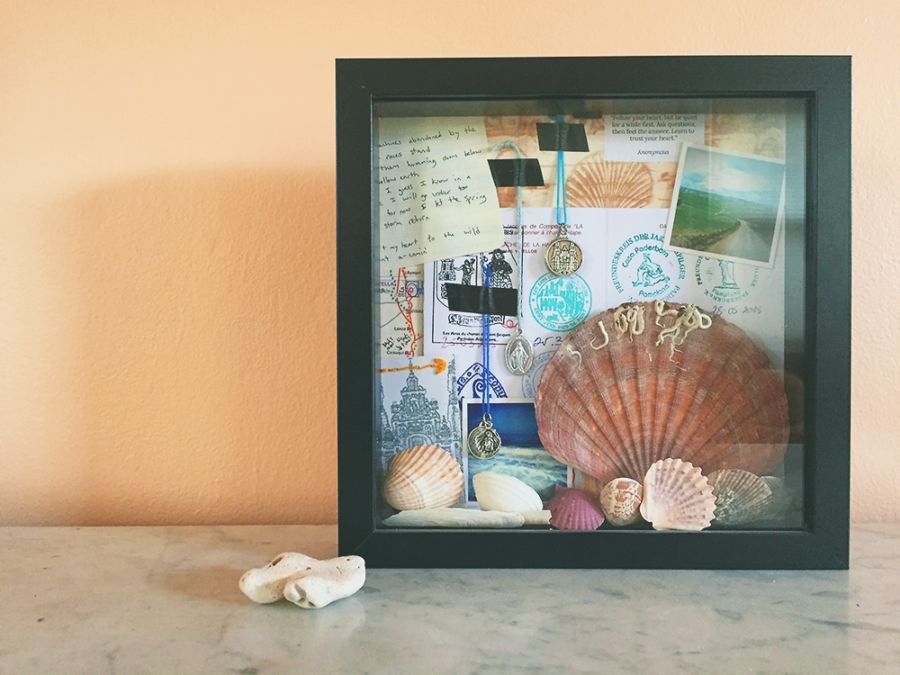
Maps are under-appreciated as mementos. While a print photo isn’t bad, something more extensive – a map of an entire region explored – means much more. Framing a map where someone has highlighted where they went or created special markings in a particular region becomes autobiographical documentation of someone’s travels. With some notes or pieces of memorabilia glued to it, it’s framed as decor.
Additionally, photo books trump digital albums because they force curation. People often take too many pictures from their travels, but it’s important to really select the ones that matter. They can then organize them with some captions or notes about what that day involved, transforming random images into narrative storytelling. The physicality of turning pages becomes more present than scrolling through endless photos.
Buying Items of True Worth
Not every travel acquisition must be dubbed a “souvenir.” Truly useful crafts, art and products have staying power. A woolen blanket gets greater value once time has passed since the trip occurred; a unique piece of jewelry created by a local artist gets integrated into someone’s everyday wardrobe, carrying that memory with it. Items used have necessity and purpose that keep them in the owner’s life longer since anything that ties them back to the experience serves the benefit they appreciate.
Food and drink also work as mementos if they last longer than merely consuming them once. A bottle of scotch from opened on certain holidays or with friends translates into memory every time it gets poured; the story gets told and thus retains value instead of fading into obscurity.
Documenting Experiences
People have journals that can feel old-fashioned, but they capture what pictures can’t share in terms of memory recollection. Writing about what a place felt like, what surprised someone, or what they learned boasts additional context pictures cannot capture. The details someone notes – asides and whimsically written observations – end up being valuable later on when general memories fade. Even just a few sentences per day create value greater than anticipated along the way.
Note-taking can occur digitally, but journals have bonus features with handwriting. The physicality of writing down ideas helps cement them into memory, plus the journal itself becomes an artifact. Upon revisiting one’s notes from their own penmanship at the time adds additional layers of nostalgia.
Building Continuous Relationships
Some tourists take it a step further; once they leave, they want to maintain their connection to what they’ve seen. Whether it’s following local news articles, supporting conservation efforts, or learning more about its history keeps portions of the place in their daily lives without losing touch. Some places are often synonymous with culture so there are usually meetings people can join and communities formed where people can retain the bond.
Moreover, planning on visiting again – even if it’s years down the line – provides future plans for nostalgic memories instead of spiraling downward into loss of appreciation over time. If there’s reason to go back it transforms how someone thinks about it as it brings life onto something that was merely enjoyed once before.
Making Memories Permanent
Travel memories fade over time unless effort is put into place. The week after someone returns is usually most vivid, but naturally maintaining that momentum doesn’t happen without intentionality. Tangible reminders, constructing displays, maintaining mental notes about it all merges into one cohesive experience which retains meaning instead of forcing someone to cling to past nostalgia forever.
Thus, people aren’t looking for treasures to flaunt their travels but instead to keep any feelings alive and part of who they are currently. Therefore, newfound possessions matter more than travel nostalgia which means otherwise.
Thus travelers who venture somewhere special deserve more than an empty digital folder; they deserve remnants that keep even small parts of their lives like those travel moments alive forever as if they’re still actively living there – with some improvements for decorum – like they’re not just united in memory and photographs but thriving coexistently as well.