
Managing Commercial Building Energy Use: Beyond Turning Off Lights
As a building manager, most of your peers believe they’ve taken care of energy use by switching to LEDs and putting up “turn off the lights” signage. While that’s commendable, it represents just a minor percentage of what’s driving utility costs in a commercial building.
That’s because, in reality, lights account for less than 20% of the total energy usage in a commercial building. Heating, cooling, and maintaining mechanical systems for the other 80% do – the systems that most never see or use. When systems are on at all times – as many are during occupied and unoccupied hours – this energy usage adds up quickly as it cascades across months and years without anyone addressing even small inefficiencies.
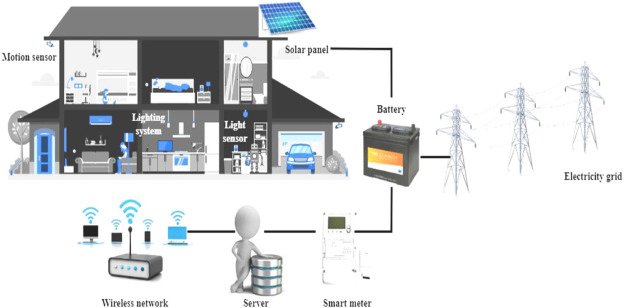
Where Energy Is Actually Used In Buildings
Here’s how energy typically is used in a standard office or commercial structure. The mechanical system typically uses the most energy across all properties – 40-50% of total use – but it depends on the situation and climate. This reflects HVAC systems that must run constantly to create comfortable spaces.
Next comes lighting (15-20%) and equipment and plug loads (15-25%) which may include computers, copiers, kitchen appliances and more. Then water heating, elevators, and other systems account for the rest. Differences may occur based on property type, but this is mostly consistent across all commercial properties.
The problem with all of this is that much of it runs behind the scenes. A light switch is visible, and people can see if they are on. But mechanical systems? These operate behind closed doors in equipment rooms and above ceilings where no one can ascertain if they’re running effectively or wasting energy every hour of every day.
Why Systems Waste Energy
Mechanical systems waste energy either because they’re old or not working well or they’re poorly scheduled, calibrated, and fighting each other. Walk into any older commercial property – even just an older historical property – and one will often find heat and air conditioning on in different zones to maintain comfort for a few people, yet much of the building is being overworked for its minimal use.
Building automation systems should prevent this from happening, but only if programmed correctly. If it’s set once during construction and no one revisits it over the years as use patterns change inside of the building, it will never work adequately.
Similarly, the building envelope does most of the work to keep conditioned air inside the building – walls, windows, roof – and when there are holes, drafts, and poor insulation, mechanical systems must work harder to meet set points. A small gap around a loading dock door may seem irrelevant until one calculates how much conditioned air escapes from it over the course of a year.
Why Monitoring Makes a Difference
This where it gets interesting. You can’t manage what you don’t measure; most of their buildings operate in the dark. Their utility bill arrives once a month showing total consumption which doesn’t tell management what’s going on inside of their property.
True energy management requires constant monitoring which then dissects energy use by time of day and system. Modern monitoring methods will illustrate when energy peaks occur, which equipment operates ineffectively during certain times of day/week, and when unexpected waste occurs. Organizations focused on energy & buildings can rely on this information to diagnose issues that otherwise would remain stagnant for years.
The difference between utility summaries that arrive once a month versus continuous monitoring is like knowing the balance in your bank account only when you check it once a month versus knowing where every dollar goes because you check your bank transactions every day.
What Active Management Means
Energy management is an ongoing process because it’s not a one-time fix. Active participation fosters greater understanding of baseline consumption patterns – how much energy a given building uses normally based on patterns like occupancy – and helps identify anomalies like:
- Operations that occur outside typical hours
- Repeated overconsumption instead of expected consumption
- Where utility readings report expenditures much higher than specifications dictate should be used
Each of these notes minimizes spending.
Next comes scheduling. Many commercial properties do not need all their HVAC components running at 3 AM or on weekends; however, active energy management identifies when these systems do run anyway because someone has yet to schedule opening/closure times accordingly. Even just reducing power usage for hours each day adds up dramatically over time.
Setpoint optimization occurs when many buildings maintain the same temperatures 24/7 without accounting for occupancy needs. While it’s easier to maintain static temperatures since then occupants always know what to expect, it’s more economical to reduce heating/cooling intensity during unoccupied hours (while not shutting them off completely) so that when occupants are on-site they don’t suffer due to budgetary restrictions.
The Maintenance Angle
Here’s where most people miss the connection: preventive maintenance and energy management overlap significantly. An HVAC system that’s running inefficiently likely has a maintenance component to it: dirty filters reduce air flow so fans work harder; refrigerant leaks lower cooling output; belts and bearings rust increasing friction and power use.
Continuous monitoring will flag these occurrences preemptively so that problems do not blow out into situations requiring expensive emergency repair that no one wants. If baseline consumption gradually increases over time for a specific air handler (instead of static readings) then maintenance can take care of it before it fails completely – saving both time and money.
The Cost Perspective
Energy management through professionals comes at an upfront cost for monitoring devices and ongoing service fees. The business case lies in the size of properties as well as current efficiency – but general payback periods for these comprehensive programs exist between two to five years.
The issue lies with smaller buildings which can’t easily justify costs associated with such advanced monitoring systems – even though equipment costs keep decreasing rapidly. Larger properties usually see distinct returns because minuscule percentage improvements lead to grand dollars saved with such expensive utility bills.
The key is that any increase in efficiency appreciates with continued active management over time. It’s unlike a one-time capital upgrade that saves a set amount; active management continues to find options as systems get older, occupancy changes, and equipment gets added/replaced to new standards or better operating specifications.
Stepping Up Slowly
No one has to implement everything at once. The right first step is effective energy audits to realize what’s actually happening inside of the building versus idle speculation; even basic submetering that separates major loads from one generator within a single meter will do wonders beyond assuming percentages emerge from one whole amount.
Next focus on what’s eating the most energy – chances are it’s still HVAC – and properly adjust that before moving onto smaller loads/projects. Get whatever specialized monitoring is affordable – even if it’s just recognizing daily patterns to start – and then grow from there.
It’s better not to waste money in hopes of making it back but to improve continuously based on what’s known instead of assumed.
Most commercial properties waste 15-30% of their total consumption based purely on efficiencies where none should be operating. That’s money going out the window every month for no good reason.