
Replacing Missing Teeth: Options That Actually Work Long-Term
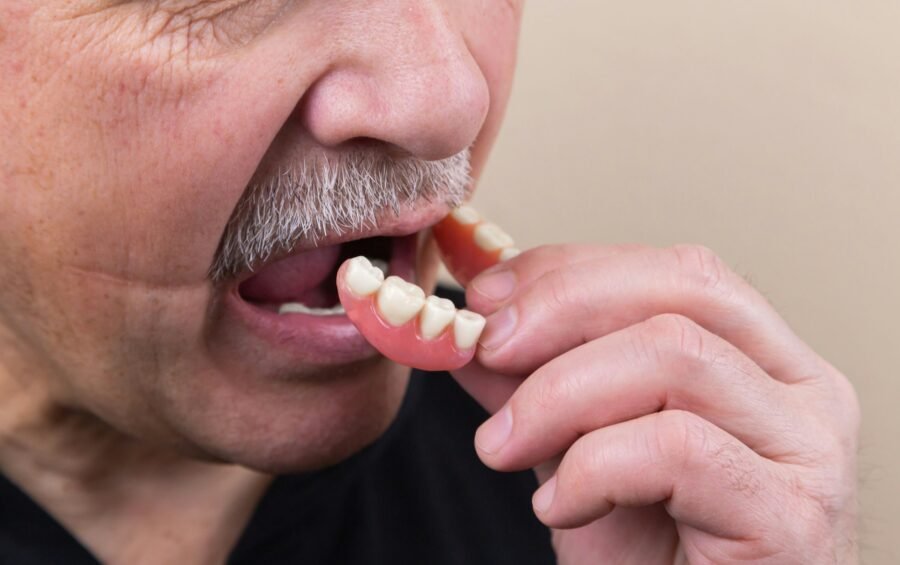
Your mouth literally functions differently when you lose a tooth. Chewing is awkward, talking seems off and the space there serves as a constant reminder that something important is gone. However, what’s worse, is that if you fail to properly replace that tooth, it only gets worse over time.
That spot where the tooth used to be gets increasingly smaller as bone resorption begins almost instantly where that tooth’s root used to be. Teeth next door slowly begin to shift into that space and bite alignment fails as the opposite tooth—the one that used to meet the absent tooth—begins to super-erupt because it no longer has a partner meeting it.
These phenomena occur slowly but surely over time which is why many people fail to notice the impact right away. But in a few years, when the issues are glaring—along with much more expensive price tags to resolve them—it’s time to realize that missing teeth need to be replaced sooner rather than later—and depend on how you replace them for long-term success.
Know Your Replacement Options
There are three ways to replace missing teeth: removable dentures, fixed bridges, and dental implants. Each has its pros and cons with a subjective best option determined by immediate effectiveness and long-term benefits. The best option hinges upon bone health, financial limitations, and personal preference.
Removable dentures are the least expensive upfront but offer limited function in daily life with considerable downsides. Fixed bridges are much better than dentures for use, aesthetics and comfort; however, healthy adjacent teeth must be compromised to accommodate the bridge. Dental implants are the most expensive up front but offer the best functionality and preservation for long-term oral health.
When multiple teeth need replacing, it becomes even more complicated. Complete dentures exist for those who are edentulous; partial dentures are less effective for people who have healthy adjacent teeth. Bridge work is complicated when three or more adjacent teeth are missing but dental implants can be done for any number missing—with increased price concerns.
Dentures: The Old Standby
Dentures have come a long way from the uncomfortable pieces of plastic plates of decades past and yet they’re still uncomfortable enough that your daily life becomes affected. Yes, materials have changed and better molding in dental offices means that they fit better than before, but they still never feel like natural replacements.
The biggest issue is eating. Anything that requires chewing power—an apple, corn on the cob, tough meat—is a challenge. Many people with dentures adjust their diets so they avoid those types of foods—which over time, impacts nutritional intake.
In terms of speech, it’s hard to say whether dentures impact one’s speaking performance or if people merely become insecure about certain words sounding differently while talking. Many people overcome having dentures in their mouths but a large percentage of wearers feel self-conscious about them slipping during conversation in social situations.
It’s also not just cleaning dentures that are required. Denture wearers must return to the dentist regularly so moldings can be adjusted because the bone structure will shift over time. In addition to mess and addition of financial adhesives, many dentures also need to be replaced or significantly adjusted within a five- to seven-year time span.
Bridges: The Middle Ground Alternative
For those worried about potentially losing their nice healthy teeth that sandwich the gap where their missing teeth used to be, fixed bridges help eliminate many problems associated with removable dentures which attach the prosthetic teeth to adjacent healthy ones.
This means much better biting function and clarity of speech with the bridge. It doesn’t slip since it’s applied. But at the same time, it’s important to note that healthy teeth need to be filed down in order to accommodate their crowns and this is an irreversible process. Potential risk includes nerve decay later on down the line requiring root canals and fillings.
Additionally, it’s tough for some patients to take care of bridges. With no full brushing ability underneath the bridge area, food particles collect which means bacteria can form cavities or gum disease which jeopardizes the entire bridge structure.
While bridges can last fifteen years or longer if sustained if the adjacent teeth are stable with good oral care, some fail within five years due solely to patient neglect or force against it—meaning this costs more money than it’s worth down the line.
Dental Implants: The Modern Solution
Dental implants offer the most advanced solution for replacing teeth with the caveat of surgical implantation and healing time. The titanium post goes directly into the jawline where a real root would be and after several months, when it becomes part of the bone structure, the top portion similar to a normal tooth gets cemented into place.
This is great for those post-menopausal when they’re dealing with potential bone loss or replacement in general, because it means bone preservation and no lost health with adjacent teeth since nothing else needs adjustment.
Eating and drinking become second nature once recovery from dental implant surgery occurs which means excellent cleaning available every day since it’s just like any other tooth. Patients forget they even have an implant after a while since it’s so natural looking.
However, implants require good health prior to installation; there’s no implanting onto bad gums or non-existent bone structures—patients require full measures since it’s so permanent. Those who smoke or have chronic diabetes may find themselves out of luck as well as on blood thinners or certain other medications that could thwart healing later on.
Lastly, cost upfront is problematic for many patients where dental implants exceed the initial cost of dental bridges and dentures though oftentimes result in having no added expenses since they’re durable.
Putting It All Together
Many people succumb to replacing their missing teeth based on price constraints but sometimes paying more upfront makes better sense than settling into cheap options that fail down the line. Dentures may be cheap, however adjustments and daily wear may end up costing more; bridges fall off quicker than anticipated yet require single expenses while dental implants have no additional costs.
Age also plays into effective treatment solutions as younger patients with sound health are best recipients for implants. Older adults with chronic conditions may prefer non-invasive options.
The number of missing teeth plays a role as well—in obvious areas where single healthy gaps exist near front teeth, implants reign supreme; however partial dentures for people with other healthy options surrounding other gaps exist may prove frustrating; multiple adjacent missing teeth can get bridges but can benefit from dental implants as well as long as pocketbook allows.
Lastly, personality factors play a role; if you enjoy eating whatever you want whenever you want to do so without respect to your teeth or implanted status, then maybe you should spend money on implants; if you’re ok not having certain foods ever again then high-end dentures may work for you; active lifestyles often prefer fixed options without special care or concern of them coming out during athletic performances.
Ultimately making sure you consider long-term outcomes prior to potential low-cost options ensures successful matches down the line—and with successful experts in your corner making suggestions about what’s right for you versus what’s practical will ensure happy patients down the road.