
The Roadside Breakdown Checklist: Stay Calm and Get Help Fast
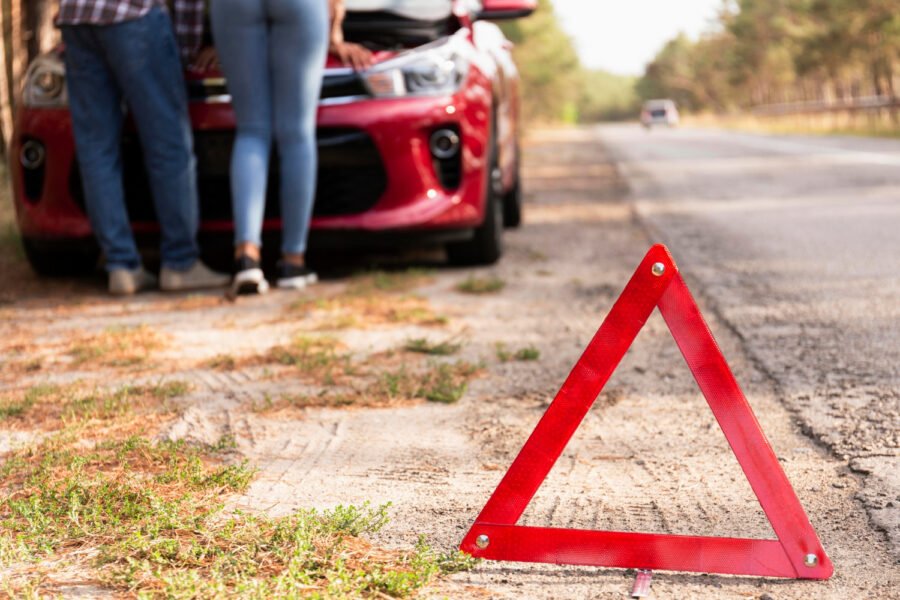
Getting stuck on the side of the road is one of the top things people don’t want to do. One moment everything is fine. The next, you are watching steam rise from under your hood or hearing the awful grinding noise that you are almost positive was not there before. Thankfully, it does not have to be a disaster if you know what to do.
People are likely to panic, which is understandable. Yet, people should remain calm and follow a few simple steps to transform this nightmare into merely an annoyance. All the difference between this being a tiny nuisance and a disaster is in how you respond to the first few moments of what seems to be an emergency.
Get To Safety
First and foremost, get out of traffic. If the car is able to move, even a little bit, get it off the road and over to the shoulder or into a parking lot. Turn on your flashers so people know something is wrong. If you are on a freeway and cannot make it over to the shoulder, try to get as far over to the right as possible.
The decision on whether to stay in or get out of the car is entirely situational. If you are on a busy freeway, you are probably better off staying belted than trying to get out of your car around fast-moving cars. However, if you are on the side of a road that is not busy or parked far enough away, getting out of the car and standing away from it (preferably behind a guardrail) makes more sense. Use your own judgment.
Know Where You Are
This may sound easy until you find yourself in a place with no idea how to say where you are. Highway mile markers are wonderful for this. They are the green roadside signs that tell people exactly where you are. Alternatively, you could also try giving someone an exit number, cross street, or even the name of a business that is near you.
Many modern phones are able to pinpoint where you are right now, but don’t count on this. Service is not always available, and GPS coordinates may not mean anything to a dispatcher trying to send you help. Having a description of your location goes a long way toward solving this issue and making everyone’s life easier and improving their response time. If you find yourself in an area that is hard to navigate in, open up your mapping program long before you call someone to help you so you can find names of streets or businesses.
Call for Help
After ensuring that you are safe and know exactly where you are, it is time to get someone coming your way. Knowing what to expect when you call a tow truck can be significantly helpful as being prepared and having the right information will expedite the process.
Dispatcher calls typically do not take very long, but they do need to know what kind of car you have and where you are. Callers will need to tell them what the issue is with the vehicle as well. Saying, “the car stopped working,” is not going to help anyone. However, if the car overheated before it broke down or it was making an awful noise, give them this information. Also let them know whether the car turns over or not and if it is stuck in gear as well as whether any previous damage will matter to the way they retrieve the car.
Don’t forget to say whether or not you are in a sticky situation. Are you stuck at a busy intersection? Are you on a narrow road? Are you parked on the side of a hill? All of these unique characteristics make a difference in the driver and the equipment that they need. You will only waste time if you don’t say this.
Things To Do While You Wait For Help
It may take a bit of time for people to get to you, so there are things that you can do before then. Take pictures of your surroundings especially if you are in an area that is hard to identify; send them to the tow company if you can, and ask them to take their time locating them so they can help you faster in the process. You will also want to ensure you have your registration and insurance ready as many companies ask for these details.
If it is hot outside, roll your windows down; remember to lock the doors if you stay in the car. You might not be able to run the AC if the engine is not working, but a little air is better than nothing at all. If it’s cold outside, make sure you have some sort of blanket or supplies that could help you in the car as you wait.
You should remain visible but also safe; setting out flares or triangle reflectors could alert people to your predicament, if not, just keeping your flashers going should be enough. Many people pop open their hood as a universal sign that something is wrong with their car, but even without this, some people keep their hazard lights on.
What Not To Do
Accepting help from strangers when you need help might feel like a fantastic idea and may even be enticing when people feel helpless. However, more often than not, this is not a good idea. People mean well, but unless you are in danger of something happening to you at that moment, wait for professional help.
The same can be said about attempting to fix the car yourself with roadside repairs that you may have never been trained to perform.
Under no circumstances, should people abandon their vehicles unless instructed to do so by emergency professionals who are monitoring the emergency phone call. It could be tough walking a long distance if this is where you are in your area at this moment and it might be challenging finding the place where people provide assistance to vehicles in need.
Keep Calm
Few people talk about the mental aspect of breakdowns and other issues that cars may face on the road. Breathing techniques aren’t just for those that are interested in yoga; they really help when people are finding it challenging to breathe because their heart rate just spiked due to a less than desirable encounter.
People have survived much worse than getting their car stuck temporarily on the side of the road in a precarious situation.
Car crashes happen all the time and usually don’t hurt anybody involved. Prepare in advance rather than come up with creative solutions for problems as they arise. Keep water, snacks, and everyday supplies in the car as much as you can stand. Have batteries handy for people who need light while waiting for help in an uncharted place.
Load up your phone with people who may need assistance with their vehicles’ primary contacts when in need; be sure to label them appropriately so they can be found when emergencies happen.
Ensure that coverage for roadside assistance is enacted just as much as every other insurance coverage.
Usually, most breakdowns end with cars getting where they need to go, often with little drama but people waving goodbye to their vehicles in record time at their mechanic of choice.
No one wants to pay bills. But at least it’s better to spend money than spending it on getting their car fixed (again).