
The Support Systems That Actually Help People Stay Clean Long-Term
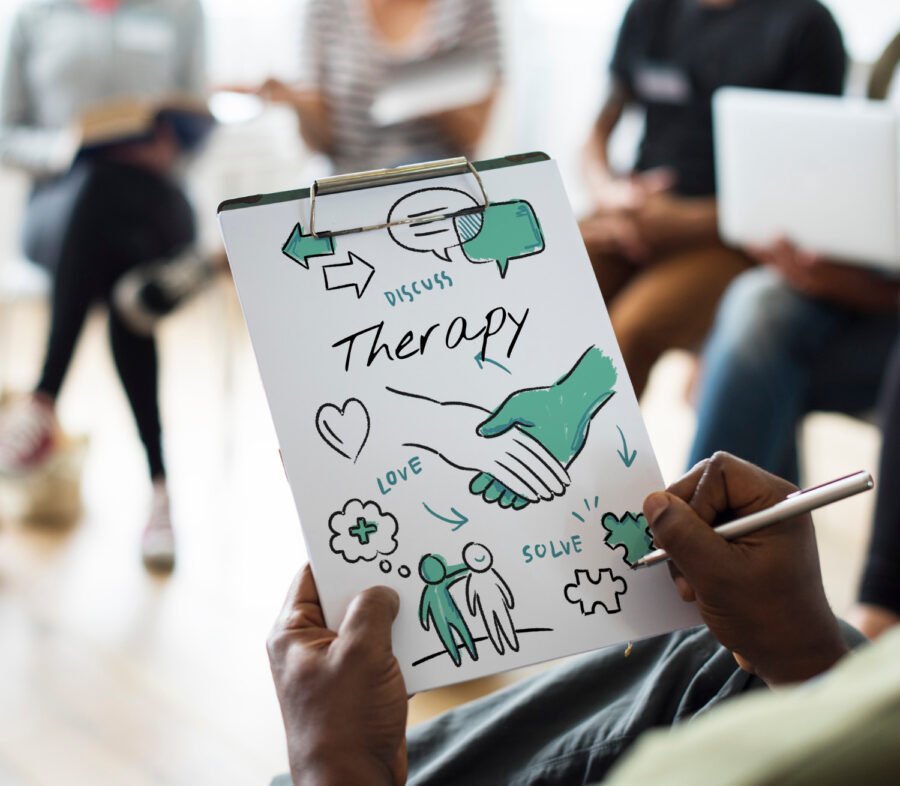
Getting clean is hard. Staying clean? That’s where most people stumble. The statistics are pretty brutal—somewhere between 40 and 60 percent of people who complete treatment programs end up using again within the first year. But here’s what those numbers don’t show: the people who make it aren’t necessarily stronger or more determined. They’ve usually just figured out which support systems actually work for them.
The problem is that not all support looks the same, and what works brilliantly for one person might do absolutely nothing for another. Some people thrive in group settings while others need one-on-one attention. Some need daily check-ins for years, while others do better with less structured support once they’ve got some solid time under their belt.
Professional Therapy Isn’t Optional (Even When You Think You’re Fine)
Most people who stay clean long-term continue some form of professional therapy well beyond their initial treatment. This doesn’t mean intensive daily sessions forever, but having a therapist you see regularly—even if it’s just once a month—gives you someone who can spot warning signs before you do.
The therapy that works best isn’t always what you’d expect. Cognitive behavioral therapy gets a lot of attention, and it does help people identify triggers and change thought patterns. But for many people, trauma-focused therapy ends up being more important. Addiction often has roots in things that happened years before the first drink or pill, and until those underlying issues get addressed, sobriety stays fragile.
Here’s the thing though: finding the right therapist matters more than finding the right therapy type. A mediocre therapist using the “best” method won’t help as much as a great therapist using a different approach. Organizations like Habitat Therapeutics understand this balance between evidence-based treatment and personalized care, which is why their approach focuses on matching people with therapeutic methods that fit their specific situation rather than forcing everyone through identical programs.
Peer Support Groups Work (But Not Always the Way You Think)
Twelve-step programs save lives. That’s not up for debate. But they’re not the only game in town, and they’re not right for everyone. Some people need the structure and spirituality of AA or NA. Others do better with SMART Recovery, which uses a more science-based approach without the higher power component. Some find their people in Refuge Recovery, which incorporates Buddhist practices.
The key isn’t which program you choose—it’s whether you actually connect with the people there. Going to meetings and sitting silently in the back won’t do much. The people who benefit from peer support are the ones who get phone numbers, call people when things get rough, and eventually become sponsors or mentors themselves.
What surprises people is how long this support needs to continue. Someone with five years of sobriety still goes to meetings not because they’re about to relapse tomorrow, but because staying connected to recovery keeps it front of mind. The people who drift away from their support groups—even after years of being clean—tend to be the ones who eventually slip back into old patterns.
Family Involvement Makes or Breaks Recovery
Family can be your biggest asset or your biggest liability in recovery. Sometimes both at the same time.
When family members understand addiction as a medical condition rather than a moral failure, they become part of the solution. They learn how to set healthy boundaries without enabling. They recognize warning signs. They know when to step in and when to step back. Family therapy helps everyone in the household adjust to the changes that come with recovery.
But not every family can be part of the support system, at least not right away. Some families are too enmeshed in the addiction. Others cause so much stress that staying clean around them becomes nearly impossible. In those cases, creating distance—even from people who love you—might be necessary for survival.
The families that help most are the ones who do their own work. They go to Al-Anon or Nar-Anon. They read books about addiction. They learn that helping doesn’t mean solving every problem or preventing every consequence. They figure out how to support recovery without making it their entire identity.
Sober Social Networks Take Time to Build
One of the hardest parts of staying clean is that you usually have to rebuild your entire social circle. The friends you used with can’t be part of your life anymore, even if you care about them. The places you went, the activities you did—a lot of that has to go too.
This leaves a massive void. And voids are dangerous.
People who stay clean long-term deliberately build new social networks. They find hobbies that don’t involve substances. They join sports leagues or art classes or volunteer groups. They make friends who never knew them as a user, which removes the temptation to fall back into old roles.
Sober living houses help with this transition. Living with other people in recovery creates instant community and accountability. But even after moving out, maintaining those friendships matters. The people who understand what you’ve been through don’t need explanations when you leave a party early or avoid certain situations.
Structure and Accountability Don’t Have Expiration Dates
Here’s what nobody wants to hear: the people who stay clean long-term usually maintain some level of structure and accountability indefinitely. Not forever at the same intensity, but the idea that you’ll eventually get back to a completely “normal” life where addiction never crosses your mind is mostly a fantasy.
This might mean regular drug tests for years, even when you haven’t used in ages. It might mean checking in with a sponsor or therapist weekly. It could mean maintaining a strict routine because too much unstructured time still feels dangerous.
Some people need employment programs that provide both work and recovery support. Others do better in settings where their coworkers know their history and can help spot red flags. The specific structure matters less than having something that creates consistent accountability.
What Actually Predicts Long-Term Success
Research shows a few things that consistently separate people who stay clean from those who relapse. Multiple types of support beat single approaches every time. Someone doing therapy plus peer support plus family work has better odds than someone relying on just one of those.
The length of initial treatment matters too. People who complete longer programs tend to do better, probably because they have more time to build coping skills and establish new patterns before facing regular life again.
But the biggest predictor is pretty simple: people who stay engaged with some form of recovery support for at least a year after initial treatment have dramatically better outcomes. It doesn’t have to be intensive. It just has to be consistent.
The hard truth is that recovery isn’t something you complete and move past. It’s something you live with and manage, kind of the same way someone with diabetes manages their condition. The support systems that work are the ones you can maintain long-term without them taking over your entire existence. Finding that balance—enough support to stay safe, but not so much that you can’t build a real life—is what makes lasting recovery possible.