
Understanding UK Number Plate Rules: The Complete Guide to Staying Legal
Getting a personalised number plate is exciting. You’ve found the perfect combination that spells your name, references your business, or just looks brilliant on your car. But before you order those plates and stick them on, there’s a whole set of regulations you need to know about. The DVLA doesn’t mess around with number plate rules, and what seems like a minor tweak can actually land you in trouble.
Most drivers don’t realize how specific these rules are until they’re already facing issues. Whether it’s at an MOT, a routine police check, or when trying to tax your vehicle, non-compliant plates cause headaches you really don’t need.
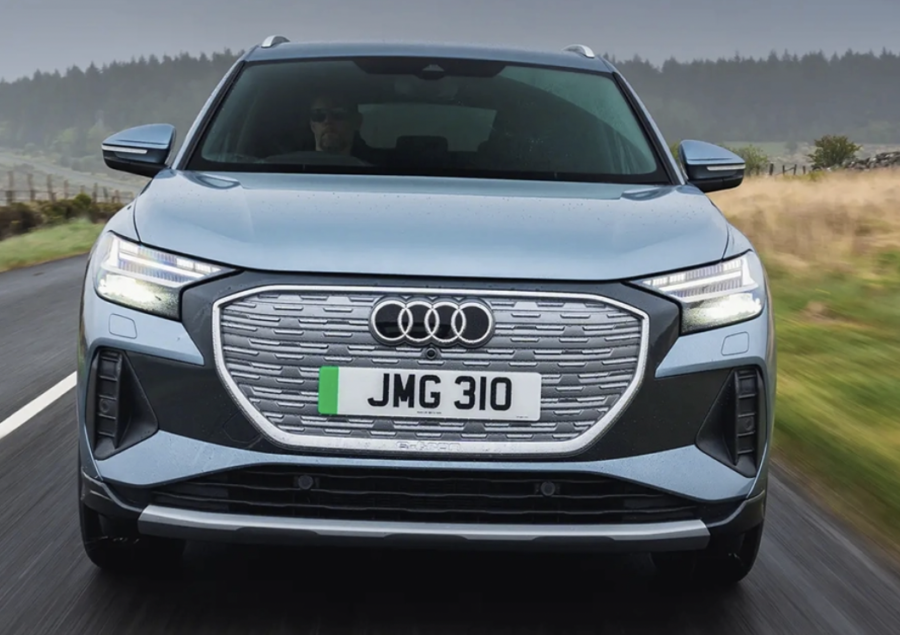
The Legal Format: What You Can Actually Display
Right, so here’s where it gets proper strict. Every number plate in the UK must follow exact specifications for character height, width, spacing, and positioning. The characters themselves must be 79mm tall and 50mm wide (apart from the number 1 or letter I, which can be slimmer). The space between characters needs to be 11mm, and the gap between the age identifier and the random letters must be 33mm.
You can’t just decide these measurements look better slightly adjusted. The DVLA publishes these specifications for a reason, and plate manufacturers are required to follow them. When people try to alter spacing to make their plate spell something clearer, they’re making it illegal, even if it still looks fairly normal.
Font matters too. The only approved font is called Charles Wright, and it’s been the standard since 2001. No creative alternatives, no matter how tasteful they might look. The characters must be black on a white background for front plates and black on a yellow background for rear plates. There’s no wiggle room here for personal preference.
Getting Your Plate Made: The Rules for Suppliers
You can’t just print your own number plates at home or buy them from any random seller online. Plate suppliers must be registered with the DVLA, and when you order plates, you need to provide specific documents. These include proof of your entitlement to the registration, proof of your identity, and sometimes proof that you’re the registered keeper of the vehicle.
This is a good thing, even though it adds a step to the process. It prevents number plate cloning and ensures that Private Number Plates are properly assigned and tracked. Registered suppliers display a unique postcode on every plate they produce, which helps trace the source if there’s ever an issue.
The supplier should refuse to make plates that don’t meet legal specifications. If someone’s willing to make you plates with illegal spacing, wrong fonts, or dodgy materials, that’s a red flag about their legitimacy.
Materials and Construction Standards
Number plates aren’t just plastic with some letters printed on them. They must be made from reflective material that meets British Standard requirements (BS AU 145e for post-September 2021 plates). The material needs to be durable enough to withstand typical UK weather and road conditions without fading, cracking, or peeling.
Acrylic plates have become standard because they meet these requirements well and look clean. Some people prefer the classic pressed metal plates for older vehicles, which is allowed for cars registered before 1973. But even those need to meet construction standards.
The plate must be properly fixed to the vehicle too. No blu-tack, no suction cups, no magnetic holders. It needs to be secured with proper fixings that keep it flat against the mounting surface. Police can stop you if your plate is loose, damaged, or obscured in any way.
What About Modifications and Decorations
This is where a lot of people get caught out. Adding borders, frames, or background patterns to your number plate is illegal unless the additions are outside the designated zone where the registration appears. Some suppliers sell fancy plates with flags, crests, or designs incorporated into the background, but these aren’t legal for road use.
The only permitted symbols are the blue EU flag with GB (though this is being phased out) or the Union Jack with GB, ENG, SCO, WAL, or CYM. These must appear in certain positions and sizes. Random flags, team badges, or company logos can’t appear on the plate itself.
Tinted covers are also illegal. People sometimes add them thinking they look sleek or protect the plate from dirt, but they can obscure the registration from speed cameras and ANPR systems. That’s considered tampering, and the penalties can be harsh.
The Consequences of Getting It Wrong
Non-compliant plates will fail your MOT immediately. Even if everything else about your car is perfect, illegal plates mean an automatic fail. You’ll need to get legal ones made before you can retest.
Police have the power to issue fixed penalty notices for illegal plates. The standard fine is £100, though it can go higher if the case goes to court. In serious cases where plates have been deliberately altered to avoid detection, you could face points on your license or even prosecution.
Beyond the legal trouble, there are practical issues. Insurance companies can refuse claims if your vehicle has illegal modifications, and yes, that includes non-compliant number plates. ANPR cameras might misread altered plates, potentially linking your car to toll charges, parking fines, or even criminal activity you had nothing to do with. That’s not a situation anyone wants to find themselves in.
Staying Compliant While Getting Creative
The good news is that UK registration rules still allow for plenty of personalization. You can choose combinations that spell names, words, or meaningful numbers. You can select from different age formats (prefix, suffix, dateless, or current style) to suit your preference and vehicle age.
What you can’t do is alter the physical plate specifications to make your chosen combination read more clearly. The creativity needs to happen when selecting the registration itself, not in how the plate is manufactured or displayed.
Working with reputable, DVLA-registered suppliers ensures your plates meet all legal requirements while still looking sharp. They understand the regulations and can advise on what’s possible within the rules. It’s worth taking the time to find a supplier who knows what they’re doing rather than rushing into a purchase from someone who might cut corners.
Making Sure You Get It Right
The process of getting legal plates isn’t complicated once you know what’s required. You need your vehicle registration document (V5C), proof of identity (driving license or passport), and proof of address (utility bill or bank statement). Most registered suppliers make this straightforward and can walk you through what they need.
When your plates arrive, check them over before fitting. Make sure the spacing looks correct, the font is uniform, and the supplier’s postcode is visible. If anything looks off, query it before you put them on your car. Once they’re fitted, you’re responsible for ensuring they’re legal.
Regular checks are worth doing too. Plates can get damaged from stone chips, car washes, or general wear and tear. If the characters become hard to read or the reflective material gets scratched up, you need replacements. Driving with damaged plates carries the same penalties as driving with illegal ones.
The Bottom Line
Number plate regulations exist for road safety, vehicle identification, and crime prevention. They might seem picky, but they serve important purposes. Getting a personalised plate should enhance your car, not create legal hassles or safety issues.
Check that your supplier is registered, ensure your plates meet all specifications, and resist the temptation to modify them after purchase. The rules are clear, the penalties for breaking them are real, and compliant plates look just as good anyway. Stay legal, and your personalised registration will give you years of enjoyment without any unwanted attention from authorities. It’s really that simple.