
What Beginners Should Know Before Buying Aboriginal Art
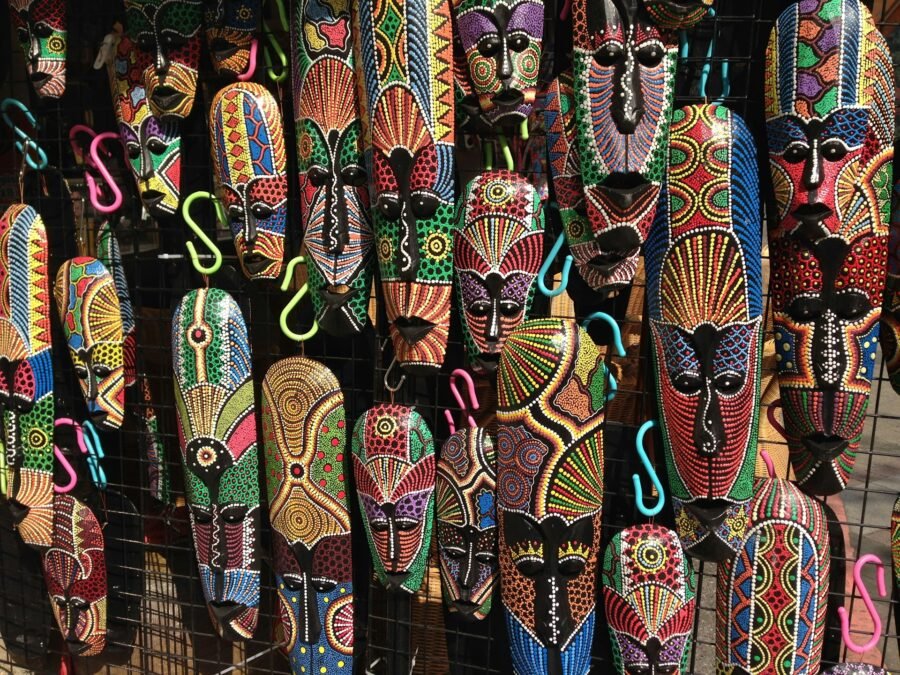
The world’s oldest continuous art form, Aboriginal art, has existed for tens of thousands of years. Yet for someone just stepping into this world, the purchase process can feel wholly overwhelming. Ranging from museum-quality pieces by renowned names to cheap trinkets sold to tourists, finding the differences isn’t easy when you are first starting.
Even price differences can freeze a would-be buyer in their tracks. An untrained eye might see two dot paintings, one priced at $300 and the other at $8,000, and note their similarities. But someone who knows the art world understands what’s what. But this isn’t just a superficial understanding, this is based on understanding cultural protocols, artistic lineages, and the Aboriginal art world.
Understand Authenticity and Appropriation
First and foremost, all newcomers of Aboriginal art should understand that not all things “Aboriginal-style” are by Aboriginal people. This realization is where many newcomers get uncomfortable because they believed all stock existed thanks to Indigenous persons.
Appropriation art floods certain art markets, those pieces that only mimic the efforts of Aboriginal people without actually being created by Indigenous hands. Some sourced from overseas manufacturers create cheap rehashes of pieces attempted by those who knew the cultural protocols.
Others are non-Aboriginal Australian creators who use dot painting or other artistic endeavors out of context because they like the technique. However, this is a more significant problem than mere copyright infringement; they’re misrepresenting sacred stories and symbols and ultimately undermining Aboriginal artists’ economic efforts.
Authentic galleries provide certificates of authenticity and necessary paperwork that delineates artist background. They’ll inform buyers what language group they are, where they’re from, and how they learned their trade. If someone gets vague about these details or cannot produce the appropriate paperwork, consider it your cue to walk away.
Why Does Aboriginal Art Cost What It Costs?
Most newcomers ask this question – and it’s frustrating for them: why does Aboriginal art cost what it costs? The pricing structure isn’t like picking out a print from Homegoods for $4.99.
Many factors determine price, but they all stem from the artist’s reputation. Established names with gallery representation and presence in documented collections will always charge more than an entry-level artist struggling to establish themselves. Those who’ve created in Career over years with defined styles will also rank higher than artists whose work exists in various collections.
A second determiner is community art centers vs commercial galleries. Many remote Aboriginal communities possess art centers to support their artists; those seeking to stretch their budget find a great piece where no gallery has added its markup. Those interested in accessible pricing can find an affordable piece during promotional periods when galleries reduce prices on quality work from their existing inventory.
Also, size matters, a small canvas costs less than a large canvas, but so does technique. Fine detail work takes longer than easier compositions requiring less patience. Materials also create final pricing, canvas versus bark or carved wood, all matter.
Finally, provenance and story trump some works. Others connect to major cultural narratives that contributed heavily to their development and may even relate to major ceremonies, whereas others are simply Dreaming stories informed through a line of descent across generations which give added value over visual appeal.
What Do They Represent?
Most Aboriginal art serves more than decorative purposes. Patterns, symbols, and colors say something about Country (the Indigenous idea of ancestral land and stories connected) or law, kinship systems, or spirituality. A series of concentric circles can represent a waterhole, camp site or ceremonial ground depending on context alone; U-shapes symbolize people sitting, waves are representations of water, lightning or other natural phenomena.
This isn’t to say a buyer needs to become an anthropologist; instead, it’s essential to understand why some works receive an esteemed sense of integrity which challenges pricing efforts, is someone spending money on something nice to put on their wall? Or acquiring a visualized cache of knowledge predating the written word itself?
Beyond this understanding, different regions possess different artistic styles: Western Desert communities feature the dot paintings and geometric patterns typically associated with Aboriginal art. Arnhem Land boasts bark art and cross-hatching techniques while the Kimberley region is known for Wandjina figures who’ve developed unique halo-like heads in their representations. This helps beginners know what’s what when they’re first starting.
Red Flags to Avoid
In addition to authenticity concerns, there are several red flags to ponder if you’re a beginner before taking out your wallet.
Pressure tactics equal danger. If someone’s trying to push you into buying something quickly, let them know you’re not their type of buyer. Genuine sellers know the artistry of purchasing Aboriginal artwork needs genuine thoughtfulness and time to determine; if it’s feeling stressful, that’s not how legitimate galleries operate.
Vague stories about how they’ve gotten the piece signal trouble too. If the seller tries to tell you it came from “a tribal elder” or “was made by a traditional artist,” but doesn’t give you a name or backstory, it’s time to go since the seller more than likely doesn’t have access to genuine Aboriginal communities.
Finally, prices that seem too good to be true likely are. No complex larger piece by an established artist should ever go for a couple of hundred dollars unless something’s wrong, it’s not authentic, the provenance is suspect or there are condition issues they’ve withheld from you in an attempt to make a quick buck.
How To Buy Your First Piece
When someone’s finally ready to buy, starting small always makes sense. Prints by established artists offer a lower price point but still create avenues for giving back to an Aboriginal artist community where higher price points remain possible without breaking the bank since this is still an investment.
Alternatively, smaller pieces from emerging artists can help new collectors avoid entering into steep debt without being forced to purchase anything they’ve yet seen: working toward collections is fine early on.
Purchasing in person instead of photos also helps when possible as photos won’t show the texture of paint or changes in colors or physical heft of a work, it also allows someone to see multiple works in succession rather than browsing online which helps develop an eye.
Getting to know gallery owners or those who run art centers pays off too, these individuals can suggest artists whose work aligns with both taste and budget, and will notify collectors when new arrivals come in or sales happen.
The Ethics of Purchasing Aboriginal Art
Buying Aboriginal art ethically means ensuring those making it receive fair compensation for their work, although it’s rarely guaranteed outside community art centers since these almost always ensure more money gets into creator hands.
Buying through commercial galleries with relationships with artists/community members help but that’s where ethical considerations end unless information is learned about imagery not suitable for certain contexts. If something shouldn’t be seen or reproduced by outsiders (sacred designs), reputable gallery owners won’t sell them but other markets with less than scrupulous ethics will sometimes bring them out. Asking about whether what they’ve received is appropriate for public or gallery-view helps determine respect toward cultural protocols.
Buying Aboriginal art creates beginners into collectors when they’re willing to take their time and learn along the way. What’s confusing at first, the price differences, cultural considerations and regional dynamics, make sense with exposure over time. Starting with small purchases, asking questions and soaking in knowledge gradually transforms someone into an informed buyer who can navigate this exciting world with ease.