
Bathroom Layout Decisions That Affect Daily Comfort
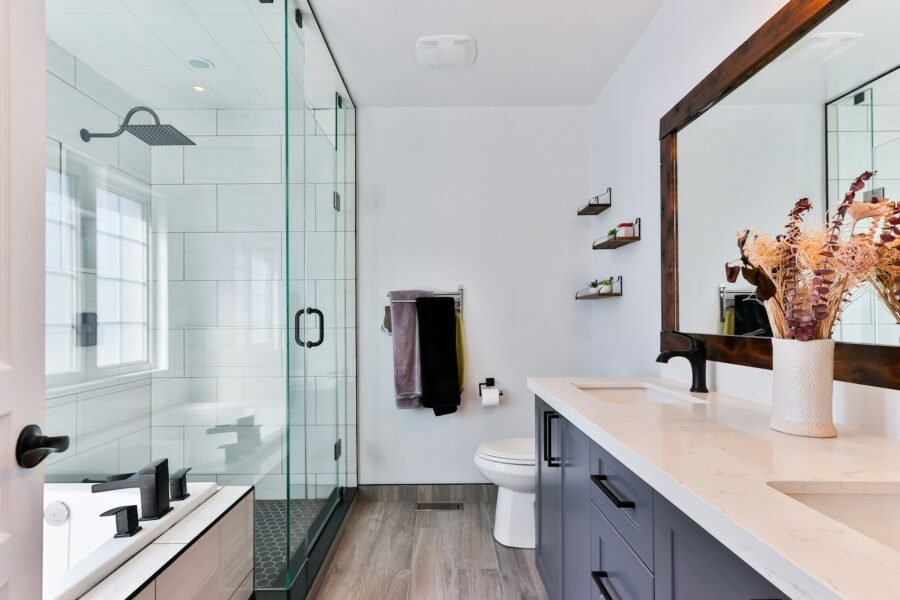
Bathroom layout decisions are made during renovation or construction planning but impact years of daily use. The more a layout makes sense, the more comfortable the bathroom is to use. If the layout is poorly planned, the bathroom becomes a series of daily annoyances—awkward turns, crunched space, items that would work better elsewhere positioned where they’re least functional. It’s all about where everything goes and how much space it is given.
Understanding which layout decisions specifically impact daily comfort helps determine which aspects to take one’s time with during planning.
Bath Location and Access
Where the bath is positioned ultimately dictates how the rest of the bathroom works. Ideally, the bath is located up against the longest wall to save space, but it isn’t always easily accessed this way. There needs to be enough room to get in and out. When it comes to towel placement, there must be consideration as to how far away a towel is if it’s placed near the entrance—where will a wet towel go after bathing?
In addition, there must be enough room next to the bath for comfort. Squeezing a bath into a space that is only technically big enough and provides no space on either side to stand comfortably next to the bath creates an awkward situation for bathing. Parents bathing children require enough space to bend down or kneel comfortably without banging their heads on a wall or adjacent toilet.
In addition, bath size impacts comfort. A petite tub is uncomfortable for an adult household and cramped for kids. When it comes to bathtubs, options like Cheap Baths should be considered, as they may offer enough large dimensions whilst also helping you save on budget.
Corner baths appear to save space but are uncomfortable when it comes to both approach and use. They can work in certain configurations but are not automatically the ideal fit in small spaces.
Shower Location and Door Swing
The location of the shower head determines how water flows—meaning if the door opens too far or too little due to placement, flooding can occur. If the water flows toward the bathroom door instead of the drain and there’s not enough space once inside the shower, it’s a poorly placed shower. When it comes to shower doors and curtains, there needs to be enough space for it to open without encroaching on the toilet or vanity.
The direction of the shower door swing matters more than most people realize. Outward-opening doors require a space in the bathroom in which there’s enough clearance. Inward-swinging doors do not require additional space outside but take up a fair amount of room inside—and can feel cramped when closed. Sliding doors resolve the swing issue altogether but cost more and require more upkeep.
Shower size impacts daily comfort. Shower stalls that are just barely enough space to turn around feel cramped when using them. Single-person showers do not work for family bathrooms.
Toilet Location Causes Privacy Conflicts
Toilets that are immediately visible when one walks through the bathroom door—despite it being closed—cause privacy issues. Some households like toilets tucked away, especially when bathroom doors may remain open while someone is using the vanity.
Too much or too little space matters next to a toilet. Bathrooms that are too cramped feel awkward. Toilets that are immediately shoved against walls do not get cleaned properly when there’s no access. However, if there’s enough room to sit comfortably but little clearance for proper cleaning access, daily use becomes tedious.
In addition, too much distance between fixtures complicates things. Toilets that are too close to vanities mean someone at the sink is right there next to someone else on the toilet. In family bathrooms, this can be an uncomfortable side effect.
Vanity Size and Storage Accessibility
Vanities that are oversized do not provide adequate elbow room or storage size; vanities that are undersized do not possess enough surface area or shelving. In addition, oversized vanities waste space better utilized elsewhere. The appropriate size depends on household needs—how many people share a bathroom at one time? What types of materials need to get stored? How much counter space gets used?
Single vs. double sink configurations matter when additional people simultaneously share the bathroom. Although double sinks require even more space and plumbing, they resolve morning bottleneck issues in shared bathrooms. Single sinks work fine when bathrooms do not require simultaneous use.
Mirrors positioned relative to this area help/hinder usefulness. Mirrors that go too high waste space; mirrors that don’t go low enough cannot be used by shorter household members or children. This relationship needs to be properly established during layout design for daily use for years.
Door Swing Orientation and Traffic Patterns
Bathroom doors swing either inward or outward; this orientation determines how spaces work more than anyone realizes. Inward-opening doors need clearance inside the bathroom; if they hit fixtures upon opening or compromise other movements in tight spaces, then it feels even smaller than necessary.
Outward-opening doors alleviate any challenges within the bathroom but require corridor clearance on the other end.
The way a door relates to where other fixtures are placed matters; if a door opens directly into a toilet area without privacy, it’s a concern; if it blocks entry into a vanity when open, that’s an annoyance.
Pocket doors or sliding doors can resolve space issues in compact areas but cost more and require consideration for built-in wall cavity placement. They may be worth doing in situations where common thresholds create substantial issues.
Storage Placement and Type
Where storage options are placed heavily impacts function within this area if it truly makes sense for where they’re positioned—and less so if they work where space allows. For example, towel racks by the shower and products by the mirror make sense; storage wherever it fits seems arbitrary.
This seems self-evident, yet storage type can make a difference when taking cosmetics out of various types of cabinetry and built-ins versus furniture.
Built-in versus furniture storage creates different aesthetics and maintenance need considerations; built-in options incorporate cleanly but if people do not like this look later, there is no change without construction work; furniture options allow change but need floor/space between walls.
Medicine cabinets have placement proximity meaning various types of cabinetry make sense; thinking through what needs storage helps determine most appropriate cabinet types.
Lighting Placement Impacts Use
General overhead lighting casts shadows on peoples’ faces—horrible lighting conditions for something like makeup application. Specific lighting by vanities positioned appropriately either at an angle or above people works better for daily needs.
Shower lighting matters as well; dark showers feel cave-like and they’re hard to distinguish what one needs/wants to do. An appropriately lit shower does wonders for aesthetic ambiance and function while retaining safety precautions.
Planning lighting for various zones means wiring must be done appropriately; adding light post-construction costs significantly more and requires surface-mounted conduit or digging through finished surfaces.
Ventilation Placement Counts
Extractor fans must be positioned where they can effectively extract moisture; fans positioned away from showers or baths do not make them as effective as those positioned situated above/conveniently positioned near them.
The location of ventilation units matters in conjunction with doors; if ventilation units are positioned where air from under doors come in direct line with them, they’ll work better than if they hide where air circulation doesn’t exist.
Planning for ventilation during layout construction is simple; adding it once finishes are installed means more painstaking work and possible ineffectual placement.
Floor Space for Movement
The amount of distance between fixtures determines how comfortable something is within this area. Tight spaces cramp feelings even if fixtures fit; adequate circulation makes everything feel much easier (unless it’s deemed code violation).
Minimum clearances per building codes exist though clearances hardly mean comfort; planning on providing realistic allowances instead of barely meeting requirements means much better day-to-day experience.
Conclusion
Planning layout decisions can impact daily comfort for years if they’re made properly positioned with subsequent access considerations that function well over time. If they’re poorly planned with minimal access, they create daily frustrations that no one can change without significant renovations down the line.
These critical layout decisions stem from positioning fixtures, how they access them, door swing clearance concerns after they’re established, spacing requirements from one another, storage placement and accessibility needs both inside bathrooms where they’re needed most versus outside spaces (hallways to living quarters).
These decisions are made during initial construction with these elements set for stability over time—it’s much harder to change anything once construction is finished—so it’s important to take one’s time with planning every aspect related to how this specific bathroom will function in a daily capacity before any seemingly good decisions on paper become dysfunctional realities over time.