
Tibet’s Sacred Sites: A Journey Through Ancient Monasteries and Mountain Passes
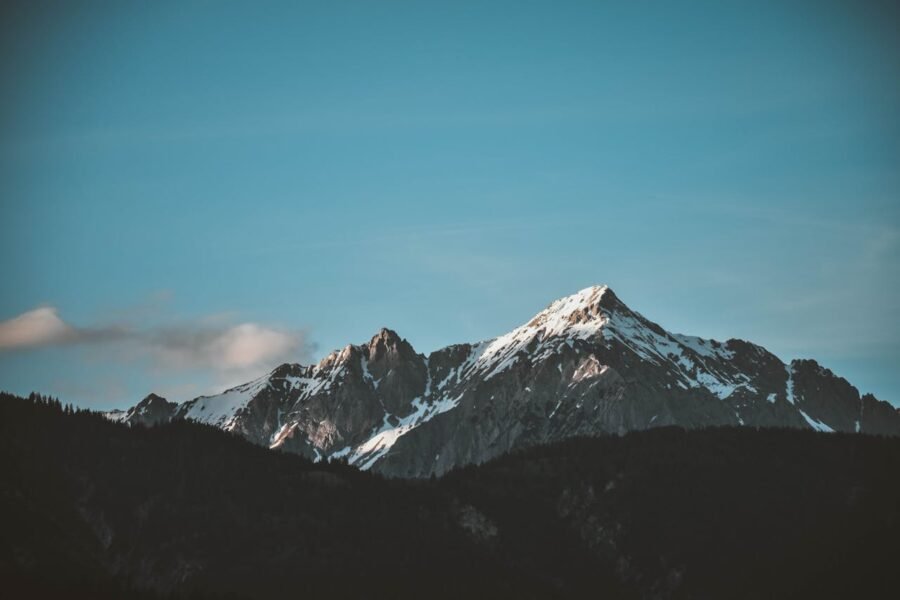
The Tibetan plateau is one of the highest regions in the world, a place where the average elevation sits at 14,800 feet (and the highest place on earth is even higher, but when arriving at this remote corner of the world it’s not just about the altitude but more about the excess of sacred sites mostly situated in an area that hasn’t drastically changed for centuries. Mountainsides lined with ancient monasteries, prayer flags snapping in the air and pilgrims circumventing sacred mountains along paths established over a millennia ago still abound.
It’s not a place where one can arrive and merely get off the backpack to reserve a hostel. Tibet has certain travel restrictions, including permits, prescribed pathways and licensed guides. It’s a place that requires planning to arrive but also means that the specific sites have remained protected from overtourism that has sullied other famous and on-demand destinations elsewhere.
The Potala Palace: Tibet’s Landmark
If there was any landmark to symbolize Tibet, Potala Palace reigns supreme. A massive white-and-red palace dominating the skyline of Lhasa, it served as the Dalai Lama’s residence for over 300 years. It consists of 13 stories with 1,000+ rooms (only a portion accessible to visitors) at a front door elevation of 12,139 feet on Red Mountain (newcomers discover this elevation when gasping for breath upon entry).
Inside is as awe-inspiring with dimly lit chapels by butter lamps, still burning today since well before the Chinese invasion, as yak butter incense pervades nostrils while overwhelming wood scents make for timeless portraitage. Gold sculptures of buddhas and bodhisattvas clutter each available space in addition to the endless turquoise or coral inlays while massive stupas housing former Dalai Lamas rest under gold plated and stone laden covers.
But perhaps most impressive is that Potala Palace remains an active pilgrimage destination. Local Tibetans mill through each room, prostrating to sculptures and spinning prayer wheels, little do they mind the craftsmanship and history behind it all, just as their grandparents didn’t mind similarly when they passed through at least in somewhat similar fashion.
Jokhang Temple and the Barkhor Circuit
If Potala Palace is known as the most popular site, Jokhang Temple is known as the most sacred site across all of Tibet. Built in the seventh century, Jokhang contains what many Tibetans believe is the most significant buddha statue in the world, the Jowo Shakyamuni, which was brought to Tibet (as part of a dowry as the princess came to China from Tibet) when a Chinese princess married in.
Jokhang Temple sits in old town Lhasa at the center of the Barkhor, an ancient circuit that pilgrims walk around counterclockwise while spinning prayer wheels and chanting mantras. Some pilgrims take days just to prostrate themselves around—the constant devotion is palpable. These are not casual tourists; these are people who have walked for weeks just to get to Lhasa to complete this circuit.
To see these spiritual sites as intended with cultural education and logistical support requires an established operator like Songtsan Tibet Travel that paves the way in accordance with sacred guidelines and developments that help make these journeys special in the first place.
The area around Jokhang still displays its old town charm more than much of downtown Lhasa; narrow streets teem with shops selling prayer flags and incense, and smells from incense burners burning juniper smoke mix with diesel exhausts from passing motorcycles, exemplifying this lived city energy as opposed to museum quality one.
Monasteries Outside Lhasa
While Lhasa holds plenty of significant sites, some of the most monumental monasteries are located hours away from the capital. For instance, Samye Monastery is located approximately 110 miles southeast of Lhasa and was known as the first built Buddhist monastery across Tibet, its structure is established like a mandala, where the main temple represents Mount Meru, known as the center of the universe to Buddhist ideology.
Accessing Samye requires crossing the Yarlung Tsangpo River (the upper portion of the Brahmaputra) via ferry. The monastery complex can be seen sprawled on a valley floor against mountains that turn golden after 3pm. It remains an active monastery with monks going about their daily rhythms of rituals and ceremonies.
Shigatse has another major site, the Tashilhunpo Monastery. Historically, this was where the Panchen Lama resided complexes sit outside any major towns on approximately 70 acres with a large (86 foot) gold plated figure of Maitreya Buddha (the future coming Buddha) within a four story base that took 900 men four years to construct (1914).
Mountain Passes and Natural Sacred Sites
Not all sacred sites across Tibet take place in building form; various mountains, lakes and passes serve as natural holy expanses citing significance both pre-Buddhism due to Bon religion and adopted into Buddhism later transposing their meanings into Buddhist cultural experiences instead.
Mount Kailash is one of the most sacred mountains in all of Asia, it holds significant meaning for Buddhists, Hindus, Jains and Bon followers alike, it rises to 22,028 feet high and boasts a 32 mile trail around it, at above 15k feet (this leads pilgrims who trek around it for nearly three days). For Tibetan Buddhists, however, if one circumvents it 108 times they achieve enlightenment.
Lake Namtso ranks as one of Tibet’s three holy lakes; it sits at 15,479 feet high (1,900 square miles wide) surrounded by snowcapped mountains, it shifts colors from turquoise to navy blue on clear days, and there are lakeside monasteries and meditation caves on its periphery while pilgrims still circumnavigate an approximately 220 mile trek around Namtso, that takes about three weeks to finish.
Mountain passes will reveal prayer flags hoisted freely up, the colors are blue, white, red green and yellow, each representing elements; thus when wind dissipates them into nothingness, Tibetans believe such prayers are sent across creation. They are found everywhere, from off-road secluded highways navigated only by foot to guardrails on paved highways.
The Altitude Factor
What no one tells you enough? The altitude will get you hard. Lhasa is at 11,975 feet, even higher than where anyone stands up Mount Rainier, America’s tallest mountain which without question blows out into levels lower until structures start to establish themselves higher up where everything is above sea level versus below. Almost everyone gets altitude sickness, horrible headaches, nausea, elevation, gasps for air, and no sleep craziness.
What otherwise seems like a bad idea becomes a rushed site without realizing acclimatization matters, these sites aren’t going anywhere but dependent on personal capabilities through gradual acclimatization. Thus, most savvy travelers spend at least two full days in Lhasa before attempting anything more strenuous or ambitious.
And sunburn occurs fast at this elevation, the thin atmosphere allows for UV rays that don’t exist at sea level due to distances less traveled; thus even on cloudy days without exposure skin turns red quickly; locals develop these capabilities as time goes on, but travelers adjusting from sea level start behind the eight ball with no luxury room for error.
Why Are These Sites Important?
With famous sites across the globe bombarded by selfies or stick-wielding tourists seemingly every day, it makes sense to question why they’re different here, in part it’s access, you need permits (which cost money) and guided tours that regulate numbers on natural levels, but for many cases they’re just active religious spots first and touristy spots second, with little regard for merging purposes for everyone’s benefit.
At Jokhang Temple it’s clear that tourists are outnumbered by pilgrims; at smaller monasteries one may even be a solitary non-local guest during morning prayers where monks aren’t performing for an audience, they’re still carrying on their practices they’ve done for thousands of years. The authenticity levels are priceless, incredibly rare as time goes on.
The perspective gained from standing over 15k feet up, and surrounded by peaks pushing over 20k/22k feet makes one feel so small relative to time, it does not matter what your intentions are or what you think, you’re here for now.
Weather-influenced discrepancies help cement this appreciation less it’s about sun/snow and more where it’s coming from, in whatever language people perceive it, even sacred spaces like this stay with you forever, they’re not spaces you can check off your list once, circumventing, pressure, reverence, craftsmanship, and landscape helps make it something you’ll never forget.