
Property Settlement After Separation: The Timeline Nobody Tells You About
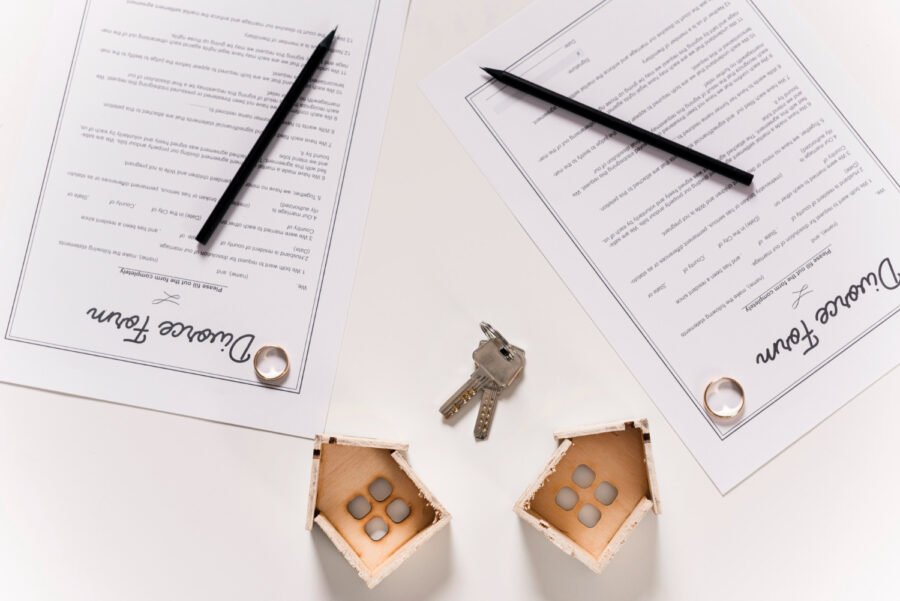
When relationships end, most people expect the property side of things to wrap up fairly quickly. Sign some papers, split the assets, move on. The reality? Property settlements take way longer than anyone anticipates, and the timeline depends on factors that aren’t always obvious from the outside.
Understanding how long this process actually takes, and why, can save a lot of frustration down the track.
The 12-Month Window (That’s Actually More Important Than You Think)
Here’s something that catches people off guard: there’s a time limit for applying to court for property orders. For married couples, it’s 12 months from the date the divorce becomes final. For de facto relationships, it’s just two years from the date of separation.
That might sound like plenty of time, but the clock starts ticking from specific legal dates, not from when you feel ready to deal with everything. The divorce waiting period alone is 12 months of separation before you can even apply for a divorce, which means the property settlement clock doesn’t start until after that’s finalized.
Missing these deadlines doesn’t automatically mean you’re out of options, but it makes everything harder. You’d need special permission from the court to proceed, and that’s not guaranteed.
The First Few Months: Gathering Information
Most property settlements don’t start with lawyers immediately. They start with conversations, spreadsheets, and trying to figure out what actually exists in terms of assets and debts.
This stage takes longer than expected because financial situations are rarely simple. There’s the house, sure, but also superannuation, shares, business interests, cars, savings accounts, credit cards, personal loans, and sometimes inheritances or gifts from family that complicate things.
One person might have a clear picture of the finances. The other might be discovering accounts they didn’t know existed. Getting full financial disclosure from both sides, which is legally required before any settlement, can stretch out for months, especially if one party isn’t being cooperative or if there are complex business structures involved.
When You Need Professional Help
Some couples manage property settlements through direct negotiation or mediation. Others need legal intervention from the start. Firms such as Maatouks work with families to navigate these settlements, particularly when the financial situation is complicated or when there’s disagreement about what’s fair.
The decision to get legal advice early often speeds things up in the long run. What seems like an extra expense at the beginning can prevent months of back-and-forth that goes nowhere.
But even with lawyers involved, expect the process to take at least several months for straightforward cases. Complex situations? That’s when you’re looking at a year or more.
The Negotiation Phase (Where Time Really Disappears)
This is where most of the timeline gets eaten up. Even when both parties want to be reasonable, there’s usually disagreement about the details.
Maybe one person thinks they contributed more financially. The other points to years of unpaid childcare and household management. Someone wants to keep the house. The other person needs their share of the equity now. Superannuation gets overlooked, then becomes a sticking point. Business valuations come back higher or lower than expected, and suddenly the whole proposed split needs recalculating.
Each offer and counter-offer takes time. Lawyers need to consult with their clients, draft proposals, respond to questions, and negotiate terms. If there are kids involved, the settlement needs to account for ongoing parenting arrangements and how that affects each person’s future earning capacity and living expenses.
Mediation can help move things along, but even that requires scheduling (which can take weeks), preparing position papers, and potentially multiple sessions if the first one doesn’t resolve everything.
The realistic timeline for negotiation in a moderately complex case? Six months to a year isn’t unusual. That’s not because anyone’s dragging their feet, it’s just how long it takes to work through genuine disagreements about significant assets.
When Court Becomes Necessary
If negotiation fails, the next step is court, and that’s when timelines really stretch out.
Family court proceedings follow a structured process: filing applications, responding to those applications, attending court-ordered mediation (yes, even after private mediation failed), gathering evidence, possibly getting expert valuations or reports, attending case management hearings, and eventually, sometimes years later, getting to trial.
The courts are backlogged. Badly. Getting a trial date can take 18 months to two years from when you first file, sometimes longer depending on the court’s schedule and the complexity of your case.
And trials themselves aren’t quick one-day affairs for complex property matters. They can run for several days or even weeks, depending on how much is in dispute and how many witnesses need to be heard.
Then there’s waiting for the judge’s decision, which might take months after the trial concludes.
From start to finish, a property settlement that goes all the way through court can easily take three to four years. Sometimes more.
The Hidden Timeline Extenders
Beyond the formal stages, there are practical delays that add up:
Valuations take time. Getting a property appraised, a business valued, or superannuation calculated requires engaging experts who have their own schedules.
People get stuck. Emotional processing doesn’t follow a timeline. Sometimes negotiations stall because one party isn’t ready to accept the relationship is over or can’t move past anger about how things ended.
Life keeps happening. Someone gets sick. Changes jobs. Moves interstate. Has another child with a new partner. Each life change can complicate the settlement and add delays.
Debt complicates things. Joint debts, especially mortgages, need to be addressed. Refinancing takes time. One person might not qualify to take over the mortgage alone, which means the property needs to be sold, and property sales have their own timelines (and complications).
What Actually Speeds Things Up
While there’s no way to rush the system itself, certain approaches do make settlements happen faster:
Getting organized early with complete financial disclosure prevents months of requests and follow-ups. The sooner both parties know exactly what exists, the sooner meaningful negotiation can start.
Being realistic about outcomes helps too. The law doesn’t split everything 50/50 by default, it looks at contributions, future needs, and what’s just and equitable. Understanding how courts actually approach property division makes for more productive negotiation.
Focusing on practical solutions rather than punishment matters more than people realize. Settlements that try to “win” or penalize an ex-partner take longer and cost more than settlements focused on moving forward.
And starting the process sooner rather than later makes a difference, especially with those time limits. Waiting until you’re emotionally ready might mean you’re working against compressed timelines later.
The Bottom Line on Timelines
A straightforward property settlement with cooperation on both sides might wrap up in six to nine months. That’s with everything going relatively smoothly, full disclosure, reasonable negotiation, and agreement on most major points.
More typical cases, with some complexity and normal levels of disagreement, take 12 to 18 months from separation to finalized settlement. Cases that end up in court? Add another year or two minimum.
These timelines aren’t designed to frustrate people. They reflect the reality that dividing a life built together takes time, especially when there are kids, significant assets, or genuine disagreement about what’s fair. The process involves legal requirements, court schedules, and the simple fact that both parties need time to work through complicated financial and emotional decisions.
Knowing what to expect doesn’t make the waiting easier, but it does help with planning. Property settlements after separation are a marathon, not a sprint, and the people who accept that from the beginning tend to manage the process with less stress and better outcomes.