
How Smart Home Technology Has Become More Practical
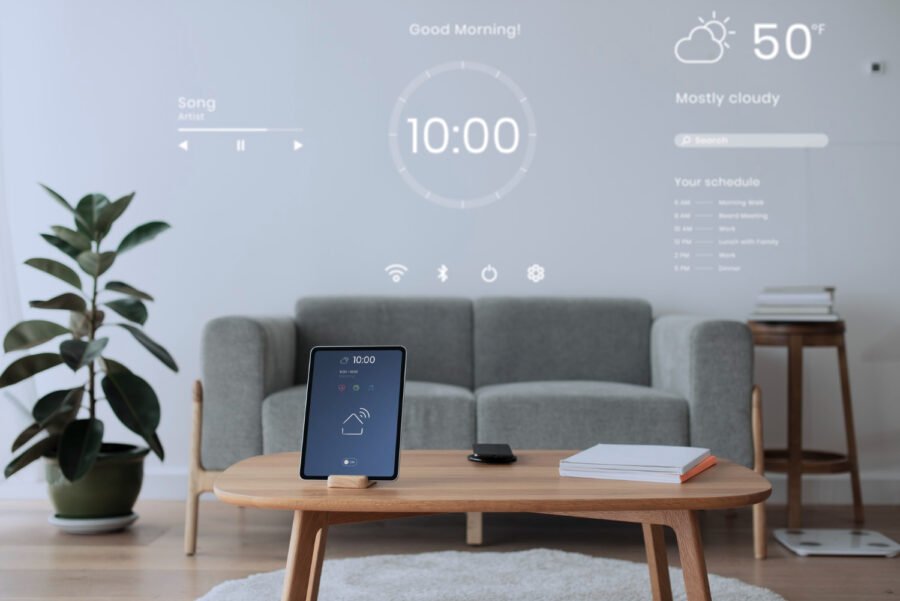
A decade ago, smart home technology mostly meant expensive gadgets that did things people didn’t really need. Refrigerators with screens. Mirrors that displayed the weather. Ovens you could control from your phone for reasons nobody could quite explain. The technology existed more to show off what was possible than to solve actual problems.
That’s changed. Modern smart home features tend to be genuinely useful rather than just impressive. They save time, increase comfort, reduce energy costs, or add security in ways that make daily life noticeably better. The shift happened as technology got cheaper, more reliable, and focused on addressing real friction points instead of adding complexity for its own sake.
Automation That Actually Makes Sense
Early smart home systems tried to automate everything. The result was often homes that were harder to use than regular ones, with apps and voice commands required for tasks that used to be simple. Opening blinds meant finding your phone, opening an app, and navigating to the right control. That’s not progress, that’s adding steps.
Current automation works differently. It happens in the background without requiring constant interaction. Lights that adjust based on time of day and natural light levels. Thermostats that learn schedules and preferences without manual programming. Security cameras that distinguish between people, vehicles, and pets instead of alerting for every movement.
The best implementations fade into the background. The home responds to needs without the occupants thinking about the technology making it happen. That’s when smart features become practical rather than just novel.
Solving Real Problems With Connected Devices
The shift toward practicality shows up in which smart home features are gaining traction. Climate control leads adoption because heating and cooling represents significant costs that automation can reduce. Properly configured smart thermostats save money month after month, paying for themselves relatively quickly.
Window treatments became another practical application where automation delivers real value. Motorized shades that adjust throughout the day manage sunlight and heat gain while providing privacy without manual intervention. These kinds of smart solutions contribute to energy efficiency by reducing cooling loads and protect furniture from UV damage while maintaining the exact level of natural light people want throughout the day.
Security systems benefited from smart technology in obvious ways too. Remote monitoring, instant alerts, and the ability to check on the home from anywhere address genuine concerns. The technology enables capabilities that weren’t practical before or required expensive professional monitoring services.
Integration That Simplifies Rather Than Complicates
Early smart homes required multiple apps to control different systems. Lighting used one interface, climate another, security a third. Nothing talked to anything else. The result was more complicated than traditional homes, not less.
Modern systems integrate better. A single app or voice assistant controls multiple devices from different manufacturers. More importantly, devices can work together to create useful automation. When the security system arms, the thermostat adjusts and lights turn off. When someone arrives home, the garage door triggers the entryway lights and disables the alarm.
This integration creates convenience that individual devices can’t match. The whole becomes more useful than the sum of its parts. Setting this up still requires some configuration, but it’s increasingly straightforward rather than requiring technical expertise.
Energy Efficiency That Shows Up in Bills
Smart home technology contributes to lower utility costs in measurable ways. Automated lighting ensures rooms aren’t illuminated when empty. Smart thermostats avoid heating or cooling unoccupied homes. Motorized window treatments reduce HVAC loads by managing solar heat gain.
These savings aren’t theoretical. Homeowners see the difference in monthly bills. The technology pays for itself over time through reduced energy consumption. That practical financial benefit drives adoption more effectively than any amount of futuristic appeal.
Energy monitoring adds another layer of value. Smart systems that track usage patterns help identify inefficiencies and quantify the impact of changes. This visibility into consumption creates awareness and enables better decisions about where to focus improvement efforts.
Security and Peace of Mind
Home security represents one of the most practical applications of smart technology. Modern systems offer capabilities that traditional setups can’t match at similar price points. Remote verification of whether doors are locked. Instant alerts when unexpected activity occurs. Video evidence if incidents happen.
The value isn’t just in preventing break-ins, though that matters. It’s also the peace of mind from being able to check on the home remotely. Did I close the garage door? Is the delivery package still on the porch? Simple questions that used to nag at people throughout the day now get answered immediately.
Smart locks add convenience alongside security. No more hiding spare keys or worrying about lost copies. Remote access for service providers or guests without physical key exchange. Automatic locking when people leave. These features address everyday friction points rather than just adding technology for its own sake.
Accessibility Benefits Often Overlooked
Smart home technology particularly benefits people with mobility limitations or other accessibility needs. Voice control for lighting, temperature, and entertainment eliminates the need to move around the home for simple adjustments. Automated doors and window coverings reduce physical effort required for daily tasks.
These accessibility improvements matter for aging in place. Homes that adapt to changing capabilities extend how long people can live independently. The technology isn’t just convenient in these cases, it’s enabling. That practical impact drives adoption among demographics that might not otherwise be early technology adopters.
The Reliability Factor
Early smart home devices had reputation problems around reliability. Connection issues, unresponsive systems, frequent updates that broke functionality. These problems made the technology feel more trouble than it was worth for many potential users.
Current generation devices are significantly more dependable. Better protocols, more robust connections, and maturation of the technology ecosystem reduced the frustration factor. When systems work consistently, people trust them enough to rely on automation for important functions.
Reliability also improved through simpler approaches. Instead of requiring constant cloud connectivity, many devices now work locally with cloud features as backup. This reduces points of failure and keeps basic functionality working even when internet is down.
Starting Practical and Expanding
The path into smart home technology has become more sensible. Instead of requiring whole-house systems installed during construction, people can start with individual devices that address specific needs. A smart thermostat. Some automated lights. Motorized window coverings in rooms that get too much sun.
This gradual approach lets people learn what works for their lifestyle before investing heavily. It also means avoiding the complexity of managing systems they don’t actually need or want. As comfort with technology grows, additional devices get added based on proven value rather than speculative benefits.
The flexibility to start small and expand makes smart home technology accessible to more people. The high barrier to entry that existed when everything required professional installation and whole-house commitment is largely gone.
What Makes It Work Now
Smart home technology succeeded when it stopped trying to be impressive and started being useful. The devices that gain traction solve actual problems or remove friction from daily routines. They work reliably enough to trust. They integrate well enough to avoid creating complexity. And they deliver value that justifies their cost.
The shift from novelty to practicality opened smart home technology to broader adoption. People who would never have considered themselves early adopters now use automated thermostats, smart lights, and connected security because these things genuinely improve their homes and lives. The technology faded from the foreground as flashy features and moved into the background as practical tools.
That transition from gimmick to utility marks when technology becomes mainstream. Smart homes reached that point not through revolutionary advances but through steady improvement in reliability, usability, and focus on solving real problems rather than showcasing impressive but impractical capabilities.